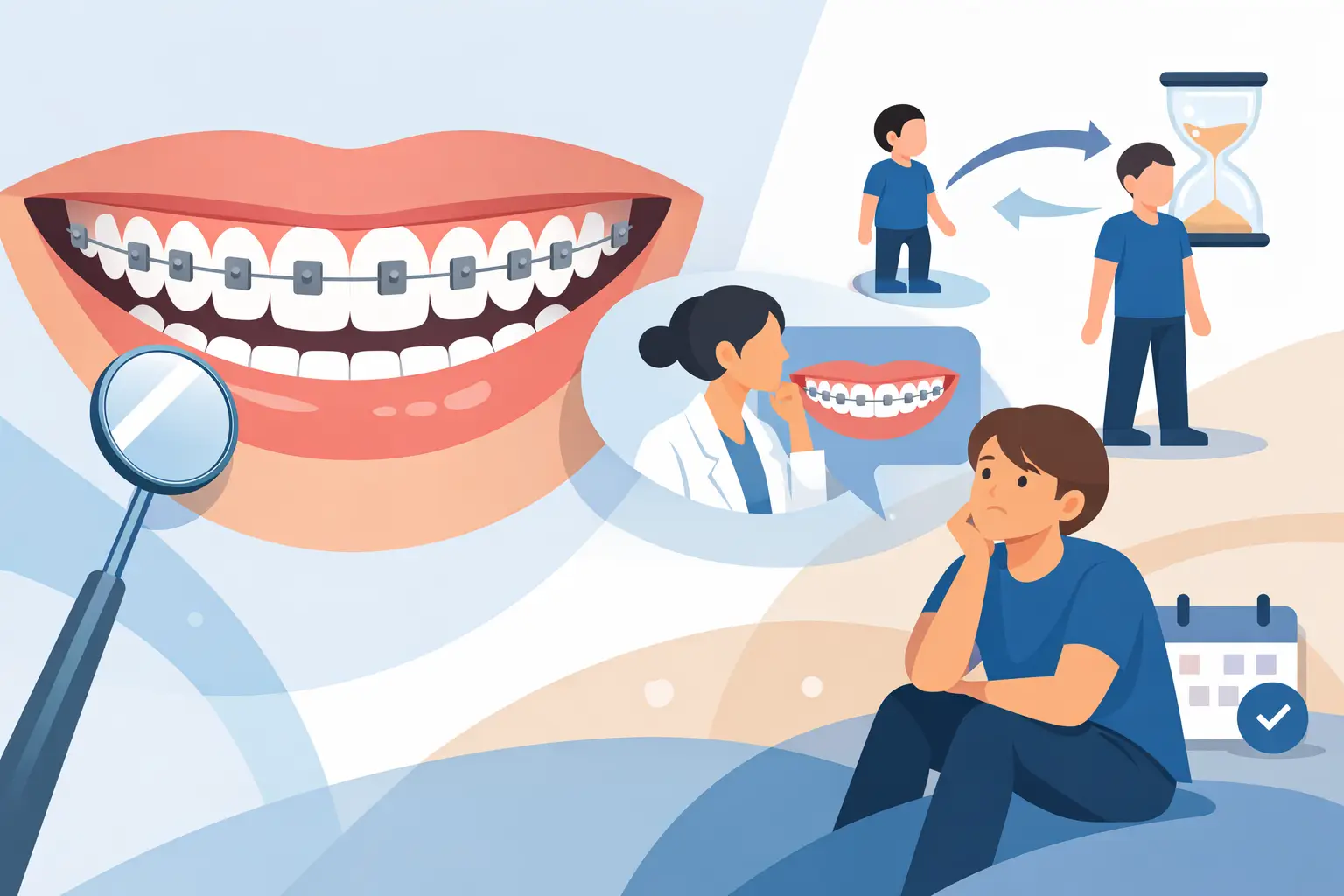
A lot of people think braces are mainly about straight teeth. In reality, braces often solve bigger issues that affect comfort, function, and long-term oral health. If teeth are crowded, spaced too far apart, or not meeting correctly when you bite, orthodontic treatment can help create a healthier, more balanced smile.
For many families, the biggest question is not whether braces work. It is when to start, how long treatment may take, and whether the process will fit into daily life. Those are reasonable concerns, especially for parents planning care for a child or teen, and for adults wondering if they have waited too long.
What braces actually correct
Braces apply steady, controlled pressure to guide teeth into better positions over time. That movement can improve crowding, gaps, overbites, underbites, crossbites, and other alignment concerns. In some cases, treatment is mostly cosmetic. In others, it is closely tied to oral health.
When teeth are severely crowded or out of alignment, they can be harder to clean well. That may raise the risk of plaque buildup, tooth decay, and gum irritation. Bite problems can also lead to uneven wear on teeth or strain on the jaw. Straightening the teeth and improving the bite can make brushing and flossing easier while also helping the smile function more comfortably.
That said, not every case is the same. Two people may both be told they need braces, but one may need relatively simple alignment while the other may have a more complex bite issue that takes longer to correct. A proper orthodontic evaluation is what tells the full story.
When braces may be recommended
Braces are common during the preteen and teen years because that is often an efficient time to guide developing teeth and jaws. Still, there is no single perfect age for everyone. Some children benefit from an earlier evaluation, especially if there are obvious bite problems, jaw differences, or concerns about how permanent teeth are coming in.
For adults, braces are still very much an option. Teeth can be moved safely at many stages of life as long as the gums and supporting bone are healthy enough for treatment. Adult orthodontic care is often chosen for appearance, but it can also help address long-standing bite issues that were never corrected earlier.
A few signs that may point to the need for orthodontic treatment include crowded or crooked teeth, teeth that stick out noticeably, frequent cheek biting, difficulty flossing between overlapping teeth, or a bite that feels off when chewing. Sometimes the issue is visible right away. Sometimes it is something a dentist notices during a routine exam.
Types of braces and why the choice depends
Traditional metal braces remain one of the most effective and widely used options. They are durable, precise, and often a strong choice for children, teens, and adults with more involved orthodontic needs. Modern metal braces are smaller and more comfortable than many people expect.
Ceramic braces work in a similar way but use tooth-colored or clear brackets that are less noticeable. Many adults and older teens like them for aesthetic reasons. The trade-off is that ceramic brackets can be a little more delicate and may require extra attention to avoid staining around the brackets.
Some patients may also ask about clear aligners instead of braces. Aligners can be a good fit in certain cases, but they are not ideal for every bite problem or every lifestyle. They also require consistent wear to stay on track. For patients who want a treatment option that stays in place and works around the clock, braces can be a very dependable choice.
What the braces process usually looks like
Orthodontic treatment begins with an exam, imaging, and a discussion of the goals for your smile and bite. This is the stage where timing, treatment options, and expected length of care become clearer. It is also where questions about comfort, appearance, and maintenance should be addressed.
Once braces are placed, the teeth do not move all at once. They shift gradually through a series of controlled adjustments. Regular visits allow the orthodontic system to keep working as planned and give the dental team a chance to monitor progress.
Some patients need braces only on the upper teeth or lower teeth, but many need full treatment to create a stable result. In more complex cases, rubber bands or other appliances may be part of the plan. That can sound intimidating at first, but each part of treatment has a purpose.
Most people notice an adjustment period in the first several days after braces are placed and again after tightening visits. Teeth may feel sore, and the brackets can rub the inside of the cheeks until the mouth adapts. This is usually temporary and manageable with simple comfort measures and softer foods.
How long braces usually take
One of the most common questions about braces is how long they will be on. The honest answer is that it depends on the complexity of the case, the age of the patient, how the bite responds to treatment, and how closely instructions are followed.
Some patients finish in about a year, while others may need closer to two years or more. Mild crowding may move relatively quickly. Significant bite correction or more extensive tooth movement usually takes longer. If appliances are broken often or appointments are missed, treatment can also be extended.
This is why realistic expectations matter. Faster is not always better if the result is unstable or incomplete. The goal is not just to move teeth quickly. It is to create alignment and bite function that will hold up well over time.
Daily life with braces
Braces do require some adjustments, especially in the beginning. Food choices matter because hard, sticky, and chewy items can damage brackets or wires. Patients are usually asked to avoid foods like popcorn, hard candy, ice, and very sticky sweets. Cutting crunchy foods into smaller pieces can help reduce problems.
Oral hygiene also becomes more important during treatment. Food and plaque can collect around brackets and along the gumline, so brushing thoroughly and cleaning between the teeth is essential. Special tools, such as interdental brushes or floss threaders, can make this easier. Good hygiene during orthodontic care helps protect against cavities, decalcification, and gum inflammation.
There is also the practical side of school, work, sports, and social events. Most patients adapt quickly. If a child or teen plays contact sports, a mouthguard may be recommended. Adults in professional settings often find that braces become less noticeable to others much sooner than expected.
Why retention matters after braces
Getting braces off is a major milestone, but it is not the final step. Teeth have a natural tendency to shift, especially soon after active treatment ends. That is why retainers are so important.
Retainers help preserve the new positions of the teeth while the surrounding bone and tissues stabilize. Skipping retainer wear can allow movement to return, sometimes more quickly than patients realize. A great orthodontic result is worth protecting, and retention is a big part of that.
Different patients need different retainer plans. Some may use removable retainers, while others may have a fixed retainer placed behind certain teeth. The right approach depends on the case and the level of support needed to maintain the result.
Braces for children, teens, and adults
Every age group brings different priorities to orthodontic care. For children and teens, parents often focus on timing, school routines, and making sure treatment supports healthy development. For many younger patients, braces can be part of a broader plan to guide the bite as permanent teeth come in.
Teens are often concerned about appearance and comfort, which is understandable. They are also at an age where consistency matters. Keeping appointments, protecting the braces, and following care instructions can make a real difference in how smoothly treatment goes.
Adults often come in with a different perspective. They may want to improve confidence, correct shifting teeth, or address a bite issue that has become more noticeable over time. Many also appreciate being able to coordinate orthodontic care within a practice that understands their broader dental needs. At Bountiful Dentistry, that matters for patients who want convenience along with comprehensive care.
Is now the right time to ask about braces?
If you or your child have concerns about crowding, spacing, or bite alignment, it is worth getting an evaluation instead of guessing. Some cases benefit from early action. Others are better monitored until the timing is right. Either way, clear information helps you make a confident decision.
Braces are an investment in more than appearance. They can support better function, easier home care, and a smile that feels more comfortable every day. If treatment has been on your mind, asking the question now may be the first step toward making the rest feel much simpler.