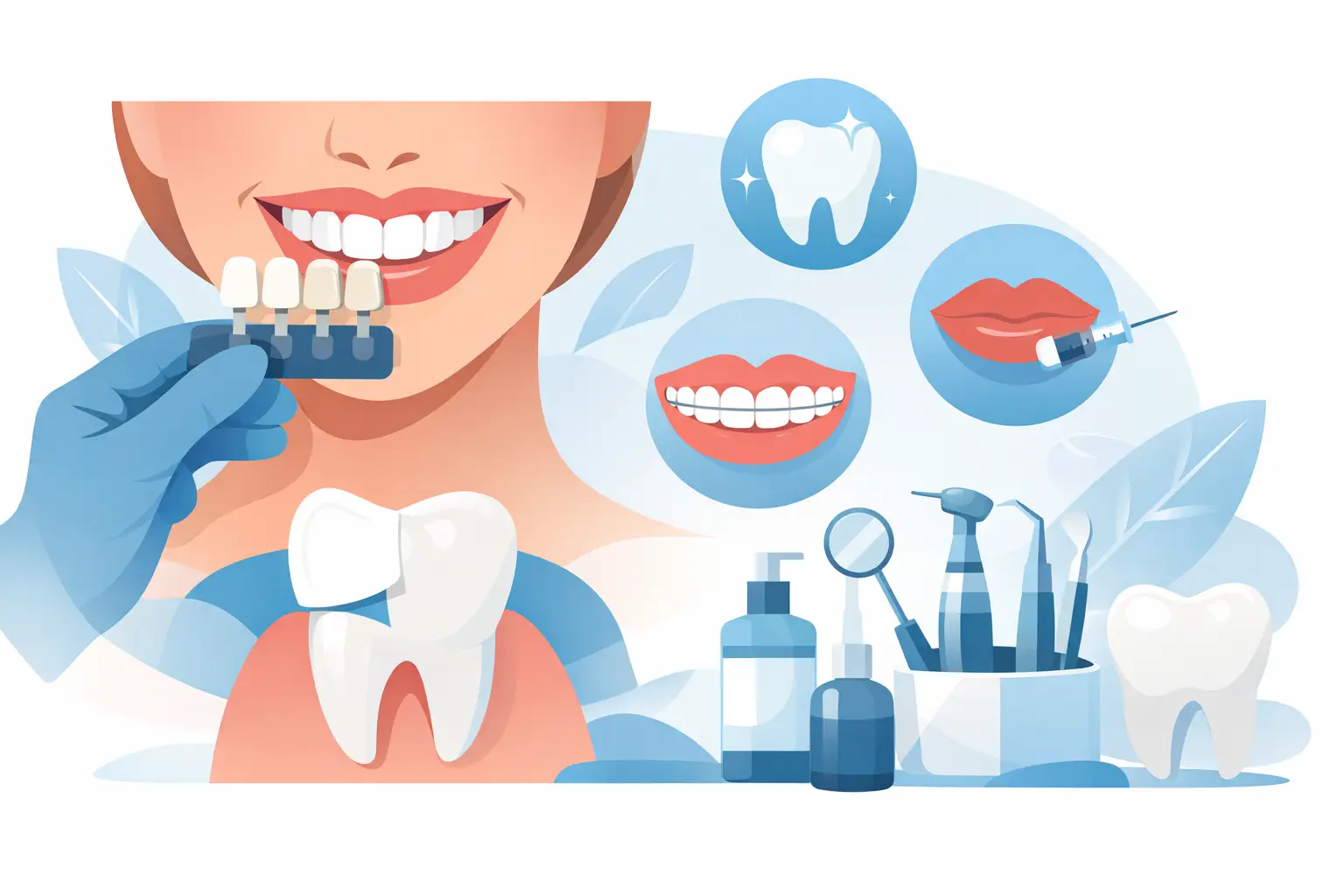
A brighter smile can feel like a small change until you see how often you hold it back in photos, conversations, or work meetings. A good cosmetic dentistry treatment guide should do more than name procedures - it should help you understand which treatments make sense for your goals, your budget, and your long-term dental health.
Cosmetic dentistry covers a wide range of services, from simple whitening to more involved care like veneers, implants, or orthodontic treatment. Some procedures focus mostly on appearance, while others improve both looks and function. That distinction matters, because the best treatment plan is rarely about choosing the most dramatic option. It is about choosing the right one.
What cosmetic dentistry can change
Most patients start with one or two concerns. Teeth may look stained, chipped, uneven, worn down, crowded, or spaced too far apart. Sometimes an old filling shows when you smile. In other cases, a missing tooth changes both appearance and bite.
Cosmetic treatment can address tooth color, shape, size, symmetry, alignment, and visible damage. It can also improve the overall balance of your smile by correcting several smaller issues together. For many patients, that means combining treatments instead of relying on a single procedure.
The key is evaluating your smile as part of your overall oral health. If gum disease, untreated decay, or bite problems are present, those issues usually need attention first. Cosmetic results tend to last longer and look better when built on a healthy foundation.
Cosmetic dentistry treatment guide: the main options
Teeth whitening
Professional whitening is often the fastest and most conservative cosmetic treatment. It works best for natural teeth with yellow or surface-level staining from coffee, tea, wine, tobacco, or normal aging.
Whitening is less predictable for gray discoloration, deep internal stains, or teeth with existing crowns and fillings in visible areas. That is one reason a consultation matters. If the restorations in your smile do not change color, whitening may make them stand out more.
For the right patient, though, whitening can noticeably brighten a smile with minimal time and little to no recovery. It is often a strong first step before considering other cosmetic work.
Dental bonding
Bonding uses tooth-colored resin to repair chips, close small gaps, reshape edges, or cover minor discoloration. It is one of the more affordable cosmetic options and can often be completed in a single visit.
The trade-off is durability. Bonding does not usually last as long as porcelain and can stain or wear over time, especially if you bite your nails, chew ice, or grind your teeth. Still, for small improvements, it offers a practical balance of cost and convenience.
Veneers
Veneers are thin shells, usually porcelain, placed over the front of teeth to improve color, shape, size, and overall uniformity. They are popular when patients want a more dramatic and polished change, especially for front teeth.
Veneers can correct multiple cosmetic concerns at once, which is part of their appeal. They can also look very natural when carefully planned. At the same time, they are a bigger commitment than whitening or bonding. Some enamel adjustment may be needed, and replacing veneers later is part of the long-term picture.
For patients with healthy teeth who want a major cosmetic upgrade, veneers can be an excellent choice. For others, a more conservative treatment may be the better fit.
Clear aligners or orthodontic treatment
If crooked teeth, crowding, gaps, or bite issues are the main concern, moving teeth may be the most appropriate cosmetic solution. Clear aligners appeal to many adults and teens because they are less noticeable than traditional braces.
Orthodontic treatment takes more time than whitening or bonding, but it addresses the actual tooth position rather than covering it up. That can make it a smarter investment for patients who want both cosmetic and functional improvement. In some cases, alignment is also recommended before veneers or other restorative work.
Crowns and tooth-colored restorations
Although crowns are often thought of as restorative rather than purely cosmetic, they can play an important role in smile improvement. A crown may be recommended when a tooth is badly worn, broken, weakened, or heavily filled.
When done well, a crown restores strength while improving appearance. It is not the first choice for every cosmetic concern, but it can be the right one when a tooth needs structural support.
Dental implants for missing teeth
A missing tooth affects more than appearance. It can change the way you chew, affect speech, and allow nearby teeth to shift. A dental implant replaces the tooth root and supports a crown, creating a result that can look and function much like a natural tooth.
Implants are a longer process than many cosmetic procedures, and they do require enough healthy bone and good overall oral health. They are also a larger financial investment. But for many patients, they offer the most complete solution for a missing tooth because they address both stability and appearance.
How to choose the right cosmetic treatment
The best cosmetic plan starts with a clear answer to a basic question: what bothers you most? Some patients want a brighter smile before a wedding or job change. Others are tired of hiding a chipped front tooth. Some want a full smile makeover after years of wear, dental work, or missing teeth.
Your treatment choice depends on several factors at once. Budget matters. Timeline matters. So does the condition of your teeth and gums. A treatment that looks ideal online may not be the most durable or conservative option for your situation.
That is why dentists often talk through trade-offs. Whitening is simple, but it will not straighten teeth. Bonding is cost-effective, but not as durable as porcelain. Veneers can transform a smile, but they are not a small decision. Clear aligners take time, but they may solve the underlying problem rather than masking it.
What happens at a cosmetic consultation
A cosmetic consultation should feel practical, not overwhelming. You can expect a review of your dental health, a conversation about what you want to improve, and an evaluation of the treatment options that fit your goals.
Photos, X-rays, and a close exam may be part of the process. If there are signs of decay, gum disease, grinding, or bite instability, those issues may need to be addressed before cosmetic treatment begins. That is not a delay for the sake of delay. It helps protect the quality and lifespan of your results.
This is also the time to ask direct questions. How long will the result last? Will the treatment look natural? What maintenance is involved? Are there alternatives that cost less or preserve more natural tooth structure? Clear answers help patients make confident decisions.
Cost, timing, and maintenance
Cosmetic dental care is not one-size-fits-all in cost or timeline. Whitening and bonding are usually quicker and more budget-friendly. Veneers, clear aligners, and implants involve more planning, more appointments, and a greater investment.
Maintenance matters too. Whitening may need touch-ups. Bonding may need repair or replacement over time. Veneers and crowns need good daily care and regular exams. Clear aligners require commitment during treatment and retainers afterward. Implants need healthy gums and consistent home care just like natural teeth.
The goal is not to find the cheapest option or the most advanced one. It is to choose treatment that makes sense for your smile now and still makes sense years from now.
Cosmetic dentistry treatment guide for families and adults
Many adults assume cosmetic dentistry is only for major smile makeovers, but that is not the case. Sometimes the right treatment is small and targeted. A bit of whitening, a bonded chip repair, or alignment for a few visible teeth can make a meaningful difference.
For families, it also helps to work with a dental office that can see the bigger picture. A teen may need orthodontic care now and whitening later. An adult may want cosmetic improvements while also addressing an older crown or a missing tooth. When preventive, restorative, and cosmetic care are coordinated in one place, treatment planning tends to be more efficient and easier to manage.
At Bountiful Dentistry, many patients are looking for exactly that balance - cosmetic improvements that look natural, support long-term oral health, and fit real life in Northern Utah.
A better smile should not feel confusing or out of reach. The right next step is simply getting clear about your goals, your options, and what kind of result will feel like you when you see it in the mirror.