Losing a tooth changes more than your smile. It can affect how you chew, how clearly you speak, and how confident you feel when you laugh or meet someone new. If you have been researching how dental implants work, the good news is that the process is designed to replace both the visible tooth and the missing root beneath it.
That root replacement is what sets implants apart. Traditional options like bridges and dentures can restore appearance and some function, but a dental implant is placed in the jawbone where the natural tooth root used to be. Over time, the bone bonds with the implant, creating a stable foundation for a crown, bridge, or denture.
How dental implants work inside the jaw
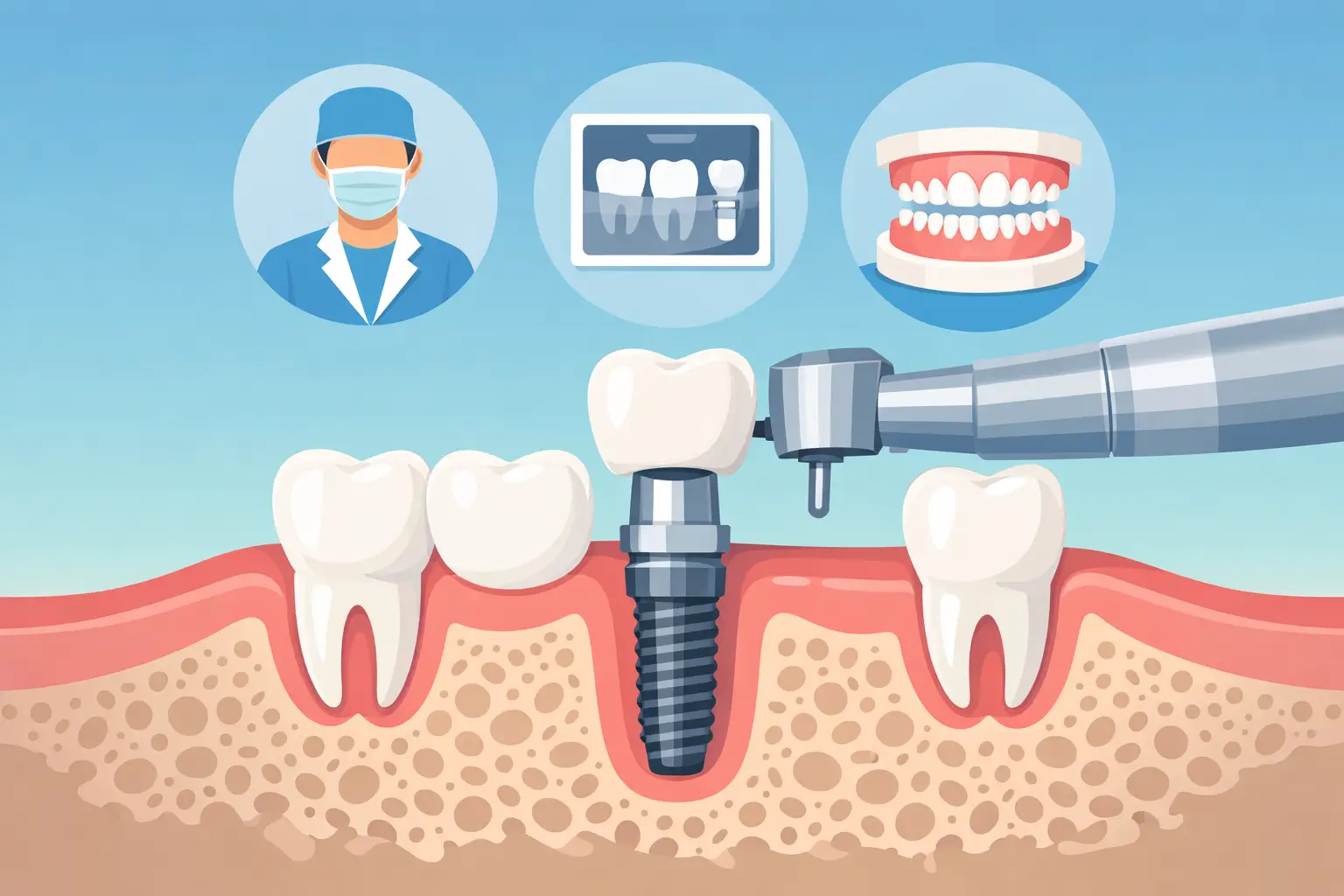
A dental implant is usually a small titanium post that is placed into the jawbone. Titanium is widely used because the body generally accepts it well. After the implant is placed, the surrounding bone begins a healing process called osseointegration. That simply means the bone grows around the implant and helps hold it firmly in place.
Once healing is complete, the implant functions like an artificial tooth root. A connector piece called an abutment is attached to the implant, and then the final restoration is secured on top. In many cases, that restoration is a custom crown that is shaped and shaded to blend with the surrounding teeth.
This structure matters because it creates support from the jaw up, not just from the gumline. That support is one reason implants often feel more stable than removable appliances. Patients often describe them as the closest thing to getting a natural tooth back.
The parts involved in how dental implants work
It helps to think of an implant as a system with three main parts. The implant post sits in the bone. The abutment connects the post to the visible replacement tooth. The crown is the part you see when you smile.
If several teeth are missing, the same concept still applies, but the final restoration may be different. Two or more implants might support a bridge, or a full arch prosthetic can be attached to several implants to replace an entire row of teeth. The exact design depends on how many teeth are missing, the condition of the jawbone, and your long-term goals.
That is why treatment is never one-size-fits-all. A single missing molar has different demands than multiple missing front teeth, and a person who wants a fixed solution will have different priorities than someone comparing removable options.
What the dental implant process usually looks like
The process starts with an exam, imaging, and treatment planning. Your dentist needs to evaluate bone levels, gum health, bite alignment, and the position of nearby teeth and sinuses or nerves. This planning stage is where safety and predictability are built.
If your mouth is healthy and the bone is adequate, the implant can often be placed in a straightforward surgical visit. The area is numbed, the implant is positioned carefully in the jaw, and then healing begins. Some patients are candidates for same-day temporary teeth, while others need a healing period before anything is attached on top.
Healing time varies. For many patients, the bone needs a few months to fuse with the implant before the final crown is placed. That waiting period can feel slow, but it is a key part of long-term success. Rushing the final restoration before the implant is stable can compromise the result.
After healing, the dentist places the abutment and takes impressions or digital scans for the crown. The final crown is then designed to fit your bite and match your smile. When completed, the tooth should look natural and function comfortably in daily life.
Why bone health matters so much
One of the biggest reasons implants work well is that they stimulate the jawbone. Natural tooth roots help maintain bone by transferring pressure into the jaw when you chew. When a tooth is lost, that stimulation decreases, and the bone in that area can begin to shrink over time.
An implant helps restore that missing stimulation. It does not stop every change in the mouth, but it can help preserve bone better than options that rest above the gumline alone. This is especially important in areas where long-term bone loss can affect facial shape, bite stability, and future treatment choices.
Not everyone has enough bone for an implant right away. If a tooth has been missing for years, or if gum disease has caused bone loss, grafting may be recommended first. That adds time to treatment, but in the right case it makes implant placement more predictable and secure.
What dental implants can and cannot do
Implants can restore strong biting support, improve appearance, and help many patients feel more confident eating and speaking. They can also prevent some of the shifting that happens when neighboring teeth drift into an empty space.
Still, an implant is not identical to a natural tooth in every way. It does not have the same ligament structure around the root, so the feel is slightly different at a microscopic level even if it feels very natural day to day. It also cannot protect itself from neglect. An implant cannot get a cavity, but the surrounding gums and bone can still develop inflammation or infection if home care is poor.
That is why good brushing, flossing, and regular dental visits still matter. The health of the tissues around the implant is just as important as the implant itself.
Who is a good candidate for implants
Many adults with one or more missing teeth can be good candidates for dental implants, but the decision depends on several factors. Healthy gums are important. Adequate bone is important. So is overall health, especially if you have conditions or medications that affect healing.
Smoking can also influence success rates because it affects blood flow and tissue healing. Teeth grinding is another factor because heavy pressure can shorten the lifespan of a crown or place stress on the implant system if not managed properly.
Age alone is usually not the deciding issue. What matters more is whether the jaw has finished developing in younger patients and whether older patients are healthy enough for treatment. A thorough exam is the best way to answer those questions with confidence.
How dental implants work compared with bridges and dentures
If you are weighing your options, the right choice depends on your needs, budget, timeline, and oral health. A traditional bridge can replace a missing tooth without surgery, but it usually relies on support from neighboring teeth, which may need to be reshaped. A removable denture may cost less up front, but some patients find it less stable or less comfortable over time.
Implants often appeal to patients who want a solution that feels secure and helps preserve bone. The trade-off is that they require surgery, planning, and healing time. They also tend to involve a higher initial investment than some alternatives.
For many people, that trade-off is worth it because of the long-term function and comfort. For others, another restoration may make more sense based on anatomy, finances, or health history. The best decision is the one that fits your situation, not a generic checklist.
What recovery and long-term care look like
Most patients can return to normal routines fairly quickly after implant placement, although some soreness, swelling, or tenderness is expected in the first few days. Following post-op instructions matters. So does keeping pressure off the area if your dentist recommends a softer diet during early healing.
Long term, implants should be cared for much like natural teeth. Daily cleaning around the gumline is essential, and routine dental checkups allow your dentist to monitor the bite, the crown, and the health of the surrounding tissue. With good care, implants can last many years.
At Bountiful Dentistry, patients across Northern Utah often want more than a replacement tooth. They want a solution that lets them eat comfortably, smile naturally, and keep their care in one trusted office. Dental implants can often provide that, but the real value comes from careful planning and a treatment approach tailored to the person, not just the missing tooth.
If you have been living with a gap in your smile or struggling with a loose replacement, it may be worth asking what is possible now. Implant treatment is not instant, but for the right patient it can be one of the most dependable ways to rebuild both function and confidence.