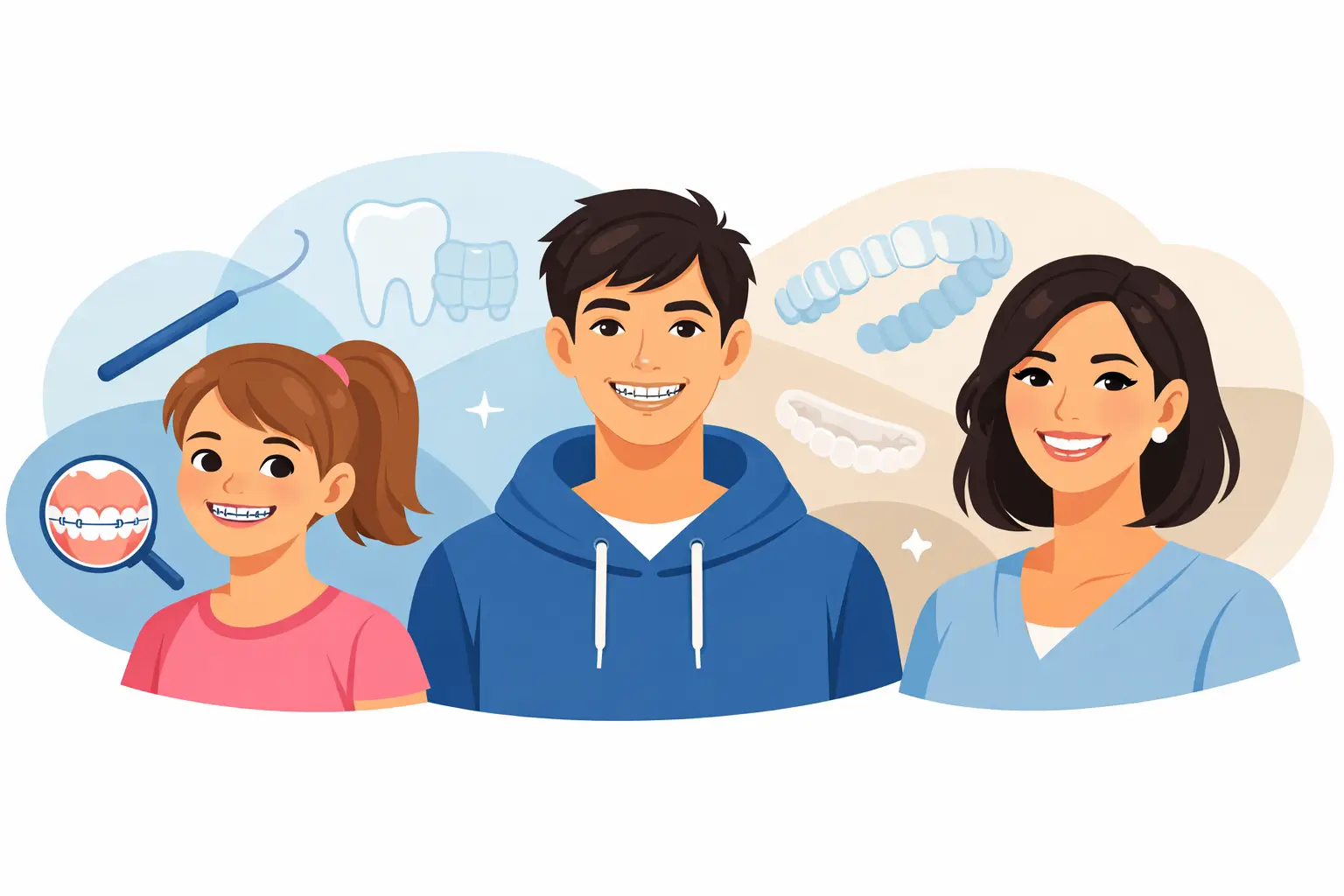
A smile that looks crowded in photos is often only part of the story. Orthodontics is also about how teeth come together, how the jaw functions, and whether everyday habits like chewing and brushing are working against long-term oral health.
For many families in Northern Utah, the question is not whether straighter teeth would be nice. It is whether treatment makes sense now, what options are available, and how to choose a plan that fits real life. That is where clear information matters.
What orthodontics actually treats
Orthodontics focuses on guiding teeth and bite alignment into healthier positions. That can mean straightening crooked teeth, but it also includes correcting spacing, crowding, overbites, underbites, crossbites, and open bites. In some cases, treatment can reduce uneven wear on teeth or make brushing and flossing easier.
Aesthetic improvement is a major reason people seek care, and that is valid. Still, appearance is rarely the only factor. When teeth are difficult to clean because they overlap heavily, or when the bite places extra pressure on certain teeth, small alignment issues can become larger concerns over time.
Not every crooked tooth needs treatment, and not every bite issue is urgent. The right approach depends on severity, age, jaw development, and the patient’s goals.
When to consider orthodontics
Parents often assume orthodontic care starts in the teen years. Sometimes it does, but early evaluation can still be useful. A child may benefit from an orthodontic assessment once permanent teeth begin to come in and the bite can be reviewed more clearly.
That does not always mean braces right away. In many cases, the best recommendation is simple monitoring. An orthodontic exam can identify crowding, jaw growth concerns, or eruption patterns that may affect treatment later. Catching those trends early can make future planning more predictable.
Teen years remain a common time for treatment because many permanent teeth are already in place and jaw growth may still support correction. Adults, however, make up a large share of orthodontic patients today. If you missed treatment earlier or your teeth have shifted over time, there may still be good options.
Orthodontics for adults is more common than many people think
Adult patients often come in with practical concerns, not just cosmetic ones. Some want to correct relapse after wearing braces years ago. Others are preparing for restorative work and need teeth moved into healthier positions first. Some simply want to stop hiding their smile.
Adult treatment can be very effective, but it may involve different considerations than treatment for younger patients. Bone density, gum health, previous dental work, and existing wear patterns all affect planning. If crowns, implants, or missing teeth are part of the picture, orthodontic care may need to be coordinated with broader dental treatment.
That kind of coordination is one reason many patients prefer a comprehensive office. When preventive care, restorative needs, and alignment goals can be considered together, treatment planning tends to feel more straightforward.
Common treatment options
The best-known option is traditional braces. Metal braces remain a reliable choice for many patients because they can handle a wide range of movement and are often efficient for more complex cases. Today’s braces are generally smaller and more comfortable than many adults remember.
Clear braces offer a more discreet look while working in a similar way. For some patients, they provide a good middle ground between appearance and control.
Clear aligners are another popular option, especially for teens and adults who want something less noticeable. These removable trays can work very well for mild to moderate correction and for some more advanced cases. Their biggest advantage is convenience during meals and brushing. Their biggest challenge is compliance. If aligners are not worn as directed, progress can slow down quickly.
There is no universally best option. The right choice depends on the bite problem, the patient’s routine, the desired appearance during treatment, and how much responsibility the patient can manage day to day.
What treatment involves from start to finish
Orthodontic treatment begins with an exam, imaging, and a review of bite alignment, spacing, and jaw relationships. From there, the dentist or orthodontic provider can explain whether treatment is recommended, what options fit the case, and how long care may take.
Once treatment starts, teeth move gradually through steady pressure. Follow-up visits are needed to monitor progress and make adjustments. Some cases move smoothly and stay on schedule. Others need extra time because teeth do not always respond identically from one patient to the next.
This is where expectations matter. Orthodontics is a process, not a quick cosmetic fix. Minor corrections may take months, while more involved cases can take much longer. Retainers are also part of the process, not an optional extra. Without retention, teeth can shift back.
The trade-offs patients should understand
Orthodontic care offers real benefits, but it also asks for consistency. Braces require careful cleaning around brackets and wires. Aligners require daily discipline. Either option may come with soreness after adjustments or tray changes.
There are also lifestyle considerations. Teens involved in sports may need to pay closer attention to mouth protection. Adults with busy work schedules may prefer a treatment style that feels less visible in meetings or customer-facing roles. Parents may need to weigh the ideal clinical timing against school schedules, budget, and a child’s readiness.
It depends on the patient. A highly responsible teen may do great with aligners. Another may get better results with braces simply because they do not rely on perfect wear time. An adult who wants subtle treatment may accept a slightly longer timeline in exchange for convenience and appearance.
Why bite alignment matters beyond appearance
Straight teeth are easier to notice than bite mechanics, but function matters just as much. When the upper and lower teeth do not meet properly, some teeth can take more force than they should. Over time, that may contribute to chipping, uneven wear, or strain during chewing.
Crowded teeth can also trap plaque in areas that are hard to reach with a toothbrush or floss. Orthodontic treatment does not replace good home care, but it can remove barriers that make home care harder.
For some patients, speech patterns or jaw comfort improve with correction. For others, the biggest benefit is confidence. Both outcomes matter. Oral health and self-image are closely connected, and many patients feel the difference every day once treatment is complete.
Questions families often ask about orthodontics
One of the most common concerns is cost. Fees vary based on case complexity, treatment type, and length of care. A simple alignment case is different from a full bite correction plan. That is why a personalized evaluation matters more than online averages.
Another common question is whether braces or aligners hurt. Most patients describe pressure or soreness rather than sharp pain, especially when treatment begins or changes are made. That discomfort is usually temporary.
Families also ask whether orthodontic treatment is worth it if teeth are only slightly crooked. Sometimes the answer is yes, especially if there are cleaning challenges or bite issues. Sometimes the answer is that monitoring is enough for now. Good care should be honest about that.
Choosing a provider for orthodontics
Experience matters, but so does coordination. If your household needs regular cleanings, restorative care, cosmetic treatment, and alignment support over time, it helps to work with a practice that sees the full picture. That can make appointments more convenient and treatment planning more connected.
For patients in Salt Lake, Davis, and Tooele County, that local continuity can be especially helpful. A trusted dental office should be able to explain options clearly, set realistic expectations, and recommend treatment based on health and function, not just appearance.
At Bountiful Dentistry, orthodontic care is part of a broader commitment to helping patients maintain healthy, confident smiles through every stage of life. Whether the next step is an evaluation for your child or a conversation about adult treatment, the best time to ask is usually before a small concern becomes a more frustrating one.
A well-aligned smile is not only about how it looks when you finally take the photo. It is about making everyday care easier, protecting long-term function, and feeling more comfortable with your smile each time you use it.