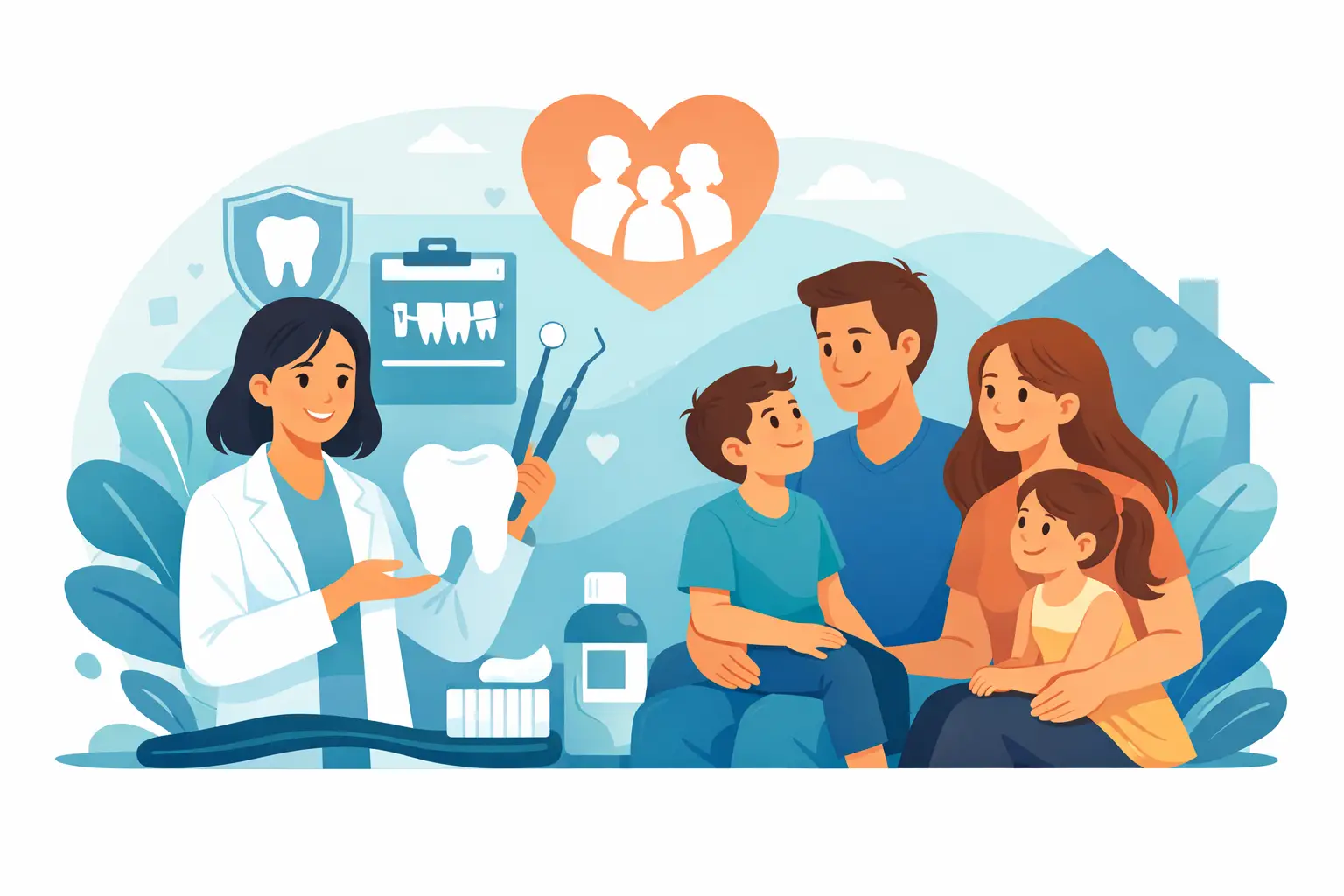
A lot of people start looking for a dentist when something hurts. Then a second question shows up fast - do you need one office for your child, another for yourself, and maybe someone else later for orthodontics or restorative care? That is usually where people ask, what is family dentistry, and whether it is the right fit for their household.
Family dentistry is dental care designed for patients at different ages and stages of life, often within the same practice. Instead of focusing on only children or only adults, a family dentist provides preventive, routine, and many restorative services for everyone from young kids to older adults. The goal is simple: make dental care easier to manage while supporting long-term oral health for the whole family.
What Is Family Dentistry?
If you want the plain answer, family dentistry is a model of care that treats multiple members of a family in one place. That includes regular cleanings, exams, X-rays, fillings, gum care, and guidance that changes as a patient gets older. Depending on the office, it may also include cosmetic dentistry, orthodontic evaluations, implants, crowns, and other more advanced treatments.
The biggest difference is not just the age range. It is continuity. A family dental office gets to know your history, your habits, your concerns, and the patterns that may run in your family. That makes care more personal and often more practical.
For parents, this can mean fewer separate appointments across town. For adults, it means you can stay with a familiar team even as your needs shift from routine care to cosmetic or restorative treatment. For kids, it can make the dentist feel like a normal part of life instead of a place they only visit when something is wrong.
How Family Dentistry Differs From General Dentistry
People often use these terms interchangeably, and there is some overlap. General dentistry covers common dental services for overall oral health. Family dentistry includes general dental care, but it is specifically structured around serving patients across age groups.
In practice, that means a family dentist is set up to care for a six-year-old with developing teeth, a teenager who may need orthodontic guidance, a parent interested in whitening or crowns, and a grandparent managing tooth loss or gum concerns. Not every office offers the same range of services, so it is worth asking what can be handled in-house and what may require referral.
That is one of the biggest trade-offs. Some family practices provide very broad treatment options, while others focus mostly on preventive and routine care. If convenience matters to you, it helps to choose a practice that can support both everyday needs and more complex treatment over time.
What Services Are Usually Included?
Most family dental offices center their care around prevention first. Regular exams and professional cleanings help catch cavities, gum inflammation, wear, and bite issues before they become bigger problems. Digital X-rays, fluoride treatment, and sealants may also be part of care, especially for children.
When treatment is needed, family dentistry often includes fillings, crowns, bridges, and treatment for minor dental injuries. Many offices also provide gum disease management, tooth extractions, and custom mouthguards. Some take a broader approach and offer cosmetic services like whitening or veneers, along with implant restoration or orthodontic care.
This matters because dental needs do not stay the same. A child may need preventive visits and monitoring. A teen may need alignment support. An adult may want to replace a missing tooth or improve the look of a smile. A strong family practice is built to adapt with those changes.
Why Families Often Prefer One Dental Home
Convenience is the obvious reason, but it is not the only one. When a single office cares for several people in the same household, scheduling usually becomes easier to manage. Records are centralized. The team understands family history. And there is less repetition when explaining concerns, insurance details, or past treatment.
There is also a trust factor. Many people feel more comfortable returning to a team they already know, especially for children who may be nervous. Familiarity can lower stress and make it easier to keep up with regular visits.
Consistency has clinical value too. If a dentist sees a patient over time, small changes are easier to spot. A slight shift in the bite, early enamel wear, or signs of grinding may stand out sooner when there is a longer relationship behind the exam.
What Family Dentistry Looks Like at Different Life Stages
Young children need a gentle introduction to dental care, along with close monitoring as baby teeth erupt and permanent teeth begin to come in. At this stage, the focus is often on prevention, home care habits, cavity risk, and making dental visits feel positive.
School-age children and teens often need continued preventive care, sports mouthguards, and evaluation of alignment or bite development. This is also when sugary diets, inconsistent brushing, and orthodontic concerns can start affecting long-term oral health.
Adults usually need a mix of maintenance and repair. That may include treatment for cavities, worn teeth, gum recession, old dental work that needs replacement, or cosmetic concerns that affect confidence. Some adults also begin exploring options like implants or orthodontics later in life.
Older adults may face more complex dental concerns, including dry mouth, gum disease, tooth loss, and the effects of medical conditions or medications on oral health. A family dental office that serves all ages can help patients move through these changes without having to start over with a new provider every few years.
Is Family Dentistry the Same as Pediatric Dentistry?
No. Pediatric dentists specialize in dental care for children and often for patients with specific developmental or behavioral needs. Their training is focused more narrowly on childhood oral development and child-centered treatment techniques.
Family dentists also treat children, but they care for adults and seniors too. For many households, that is exactly what makes family dentistry appealing. You can bring your child in for a cleaning and still have your own exam handled in the same office.
That said, there are situations where a pediatric specialist may be the better fit, especially for very complex child-specific needs. It depends on the patient, the condition, and the services available at the office you are considering.
How to Know If a Family Dentist Is Right for You
The best family dentist is not just the closest office. It is one that matches your needs now and can still serve you well later. If you want one location for preventive care, restorative work, and possible cosmetic or orthodontic treatment, a broad-service practice often makes the most sense.
It also helps to look at how the office communicates. Families usually want a dentist who can explain treatment clearly, work well with both kids and adults, and respect the fact that convenience matters. Evening availability, coordinated scheduling, and a welcoming environment can make a real difference when you are managing appointments for multiple people.
For patients across Northern Utah, that often means looking for a practice that combines routine care with the ability to address more advanced needs as they come up. Bountiful Dentistry is built around that kind of full-spectrum approach, which can be especially helpful for households that want consistency instead of juggling several offices.
Why Family Dentistry Matters Beyond Convenience
When people ask what is family dentistry, they are usually asking about logistics. But the bigger answer is about continuity, prevention, and trust. Oral health is not static. It changes with age, habits, health conditions, and personal goals.
A family dental office creates a place where those changes can be managed over time, with a care team that understands the bigger picture. That does not mean every treatment will happen under one roof in every case. It does mean your care can feel more connected, less fragmented, and easier to keep up with.
If you are choosing a dentist for yourself, your children, or your whole household, it helps to think beyond the next cleaning. The right family dental relationship should support healthy routines now while making future care feel simpler, clearer, and more comfortable.