A lot of people start looking for a dentist when something hurts. A chipped tooth, a child due for a cleaning, bleeding gums, or a filling that suddenly gives out can turn a simple question into an urgent one: what is general and family dentistry, and is that the kind of office you actually need?
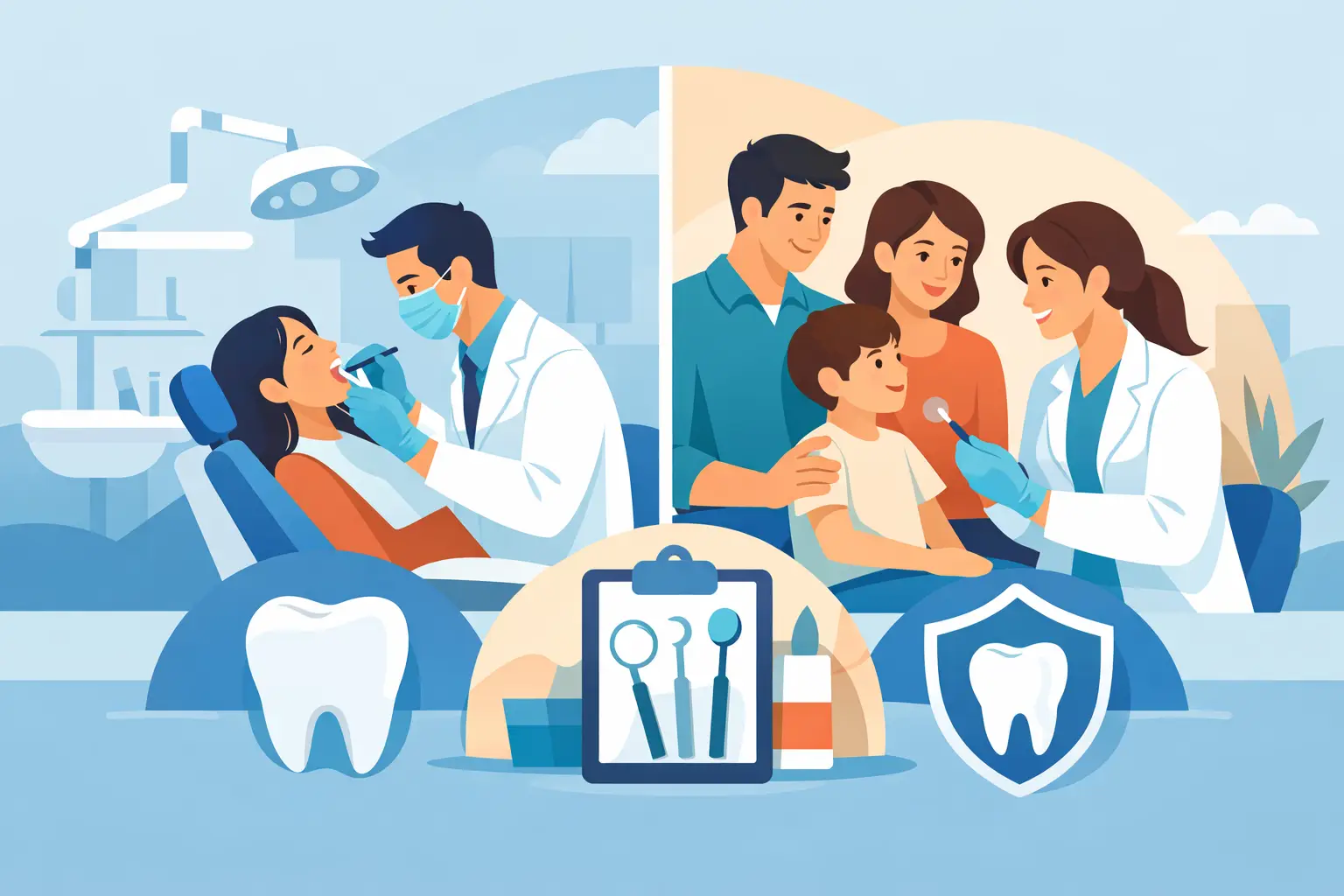
For most individuals and families, the answer is yes. General and family dentistry is the part of dental care focused on keeping teeth, gums, and oral health on track through every stage of life. It includes preventive care, routine treatment, diagnosis, and many common restorative services. In a family setting, it also means one office can often care for children, teens, adults, and older patients, which makes ongoing care more practical and consistent.
What Is General and Family Dentistry?
General dentistry centers on everyday oral healthcare. That usually means exams, cleanings, X-rays, fillings, gum health evaluations, crowns, and treatment planning for common dental concerns. A general dentist is often the provider patients see most regularly because this is where prevention and early detection happen.
Family dentistry includes the same core services, but with a wider focus on treating patients across age groups. Instead of finding one dentist for parents and another for children, families can often receive care in one place. That matters more than many people expect. When records, treatment history, and preventive routines stay under one roof, it becomes easier to keep up with appointments and spot patterns early.
The two terms are closely related, and many practices offer both. In practical terms, general and family dentistry usually means comprehensive routine care with the convenience of serving multiple members of the same household.
What Services Are Usually Included?
Most patients think of cleanings first, and for good reason. Preventive visits are the foundation of general and family dentistry. Regular exams and professional cleanings help remove plaque and tartar, monitor gum health, and identify issues before they become larger or more expensive to treat.
Beyond prevention, this type of care often includes cavity treatment, tooth-colored fillings, dental crowns, bridges, night guards, periodontal care, and evaluation for tooth pain or sensitivity. If a patient breaks a tooth, notices swelling, or develops persistent discomfort, a general dentist is usually the first call.
Diagnostic care is another major part of the picture. Digital X-rays, visual exams, bite evaluation, and screening for oral changes help dentists understand not just what is happening now, but what may need attention in the near future. That is especially helpful for families managing changing needs over time, from baby teeth and orthodontic concerns to worn enamel and tooth replacement.
Some offices also provide more advanced services such as cosmetic dentistry, implants, or orthodontics. That can be a real advantage for patients who want continuity of care. If a routine visit turns into a conversation about straightening teeth, replacing a missing tooth, or improving a smile’s appearance, patients may be able to move forward without coordinating between separate offices.
Why Family Dentistry Matters for Busy Households
Convenience is part of it, but family dentistry is not just about scheduling several appointments on the same day. It also supports continuity. A dentist who treats multiple generations in a family gets to know the household’s dental history, habits, and concerns in a more complete way.
For parents, that can make a difference. Children often feel more comfortable returning to an office that becomes familiar over time. Teens benefit from consistent monitoring as their teeth and bite change. Adults can keep up with their own care without juggling separate providers. Older family members may need more restorative attention, and having an established office relationship makes those conversations easier.
There is also a preventive benefit. Families tend to do better with oral health when dental care becomes routine rather than reactive. When the same office supports everyone from school-age children to grandparents, regular care feels less like a disruption and more like part of normal health maintenance.
What General and Family Dentistry Does Not Always Cover
It helps to be clear about the limits too. General and family dentistry covers a broad range of care, but not every treatment falls fully within that scope. Complex oral surgery, highly specialized periodontal procedures, or certain advanced cases may still require referral to a specialist.
That is not a drawback. It is part of responsible care. A good dental office knows what can be handled in-house and when a specialist is the better fit. In many cases, patients still begin with their general dentist, who diagnoses the issue, explains the options, and helps coordinate next steps.
The exact range of services depends on the practice. Some offices focus strictly on preventive and restorative care. Others offer a much broader menu, including cosmetic services, implant restoration, and orthodontic treatment. If having access to more services in one location matters to you, it is worth asking what the office provides directly.
Who Should See a General and Family Dentist?
Almost everyone needs this kind of care. Children need routine monitoring as teeth erupt and oral habits develop. Teenagers often need support through orthodontic changes, sports protection, and cavity prevention. Adults need ongoing care to manage wear, gum health, restorations, and the effects of stress or grinding. Older adults may need crowns, tooth replacement, or closer attention to gum recession and dry mouth.
That broad usefulness is exactly why this model works so well. It is less about a narrow treatment niche and more about long-term oral health support. Whether your goal is preventing cavities, keeping your child comfortable at the dentist, fixing a damaged tooth, or planning future cosmetic or restorative work, a general and family dental office is usually the right place to start.
How to Know If an Office Is the Right Fit
Not every practice offering general and family dentistry will feel the same. Some are very child-focused. Others are geared more toward adult restorative and cosmetic care. The best fit often depends on what your household needs now and what you may need later.
Look for an office that communicates clearly, explains treatment recommendations in plain language, and offers a range of services that match your goals. If you have young children, a welcoming environment matters. If you are also thinking about whitening, implants, or orthodontics, it may be helpful to choose a provider with broader capabilities.
Location and scheduling matter too. For families in Northern Utah, finding one dependable office that serves routine and more advanced needs can simplify care in a meaningful way. Practices like Bountiful Dentistry appeal to many households for exactly that reason - they combine preventive, restorative, cosmetic, and alignment-focused services under one provider relationship.
The Long-Term Value of Consistent Dental Care
One of the biggest misunderstandings about dentistry is that it is mostly about fixing problems. In reality, the best outcomes usually come from preventing them. General and family dentistry works best when patients return consistently, even when nothing feels wrong.
Small concerns are easier to treat than advanced ones. A tiny cavity is simpler than a large restoration. Mild gingivitis is easier to reverse than established periodontal disease. A cracked tooth caught early may be saved with less treatment than one left alone until pain or infection develops.
That does not mean every patient needs the same plan. Some people are naturally at lower risk for decay, while others need more frequent monitoring because of gum issues, dry mouth, past dental work, or medical conditions. Good general and family dental care is not one-size-fits-all. It should be tailored to the patient in front of the provider.
When This Kind of Dentistry Is Especially Helpful
General and family dentistry is especially valuable during life transitions. A child starting school, a teen getting braces, a busy parent delaying care, or an older adult dealing with missing teeth may all need different things, but they still benefit from having a consistent dental home.
It is also helpful for patients who want guidance, not just treatment. Sometimes the question is not whether something can be fixed, but what approach makes the most sense. Should that worn tooth be monitored or crowned? Is whitening enough, or would bonding make more of a difference? Should a missing tooth be left alone, replaced with a bridge, or considered for an implant? These are common decisions, and they are easier to make with a dentist who understands your overall oral health, priorities, and timeline.
General and family dentistry is, at its core, relationship-based care. It gives patients a place to return to for preventive support, practical treatment, and honest recommendations as needs change over time. If you want dental care that can keep up with real life, not just isolated procedures, this is usually where that starts.